What “China Moon” Usually Means — and Why It Matters to Newcomers
If you’ve landed in China from Canada, or you’re planning the move, the phrase “china moon” can mean a few different things depending on who’s searching and why. For some people, it’s about the moon itself — the way it shows up in Chinese culture, festivals, photography, and city life. For others, it’s shorthand for the Mid-Autumn vibe, mooncakes, family gatherings, and all those little social moments where knowing the customs saves you from standing there like, “Uh… am I missing something?”
And honestly, that’s the whole game for a lot of people living in China: not the big dramatic stuff, but the small, everyday stuff. The moon is one of those symbols that pops up everywhere — in greetings, gifts, poems, holiday posts, and group chats. If you’re a Canada student, an expat, or just here for work, understanding the cultural weight behind it can make life smoother. You don’t need to become a poetry major overnight. You just need enough context to not feel out of the loop when the holiday chatter starts rolling in.
In practical terms, “china moon” is also a decent search phrase for people looking for:
- Moon-related cultural traditions in China
- Mid-Autumn Festival basics
- What to say, send, or post during seasonal holidays
- Where to find events, moon-viewing spots, or community groups on WeChat
That’s where a little streetwise local knowledge helps. China’s social rhythm often runs through WeChat, and moon season is no exception. The real trick is knowing which chats, mini-programs, and friend circles actually share useful info — and which ones are just full of shiny photos and no actual plans.
The China Moon Vibe: Culture, Timing, and Everyday Use
The moon in China isn’t just a pretty thing in the sky. It’s tied to seasonal meaning, family tradition, and social etiquette. That matters because a lot of newcomers assume holidays here are all about time off. Sure, time off is nice. But the real action is in the customs: what people eat, what they gift, how they greet one another, and when they make plans.
For Canada people in China, the useful part is this: once you understand the moon’s cultural role, you’ll stop treating seasonal moments like background decoration. You’ll start spotting opportunities to connect. That might mean joining a residence-hall event, accepting a mooncake gift without overthinking it, or sending a simple holiday message that doesn’t sound stiff or translated by committee.
A few practical things to keep in mind:
- Learn the season, not just the date. Moon-related cultural moments in China are often tied to the lunar calendar, so timing can feel different from what you’re used to in Canada.
- Use WeChat to your advantage. Community groups, campus chats, building chats, and local expat circles often share event invites, food deals, and moon-viewing plans.
- Don’t overcomplicate the etiquette. A simple, polite response is usually fine. People appreciate sincerity way more than a perfect speech.
- If you’re new, ask once and then observe. That’s the golden move. Better to ask a trusted friend or group admin than to guess and wing it.
Here’s the other thing: if you’re in a big city, the moon experience can be surprisingly urban. Rooftops, riverwalks, park lakes, old streets, and university courtyards all become “moon spots” when the weather is clear. If you’re in a smaller place, it may be more about a community dinner or a dorm meetup than a grand outing. Either way, the point is the same — shared atmosphere. Nothing fancy required.
For Canada students especially, this is where local groups can be gold. A good WeChat circle can help you find:
- Holiday events near your campus
- Mooncake swaps and tasting tips
- Local sightseeing spots that are actually open and worth the ride
- Language-friendly chats so you’re not guessing every second message
And yeah, there’s a little common sense needed here too. Not every invitation is equally useful. Some events are genuine community meetups; others are basically “come for the photo, stay for the awkward silence.” You learn fast once you’ve been around the block.
Practical Ways to Fit In Without Faking It
If you’re trying to make the most of the China moon season — whether that means a festival, a moon-viewing night, or just understanding the cultural chatter — your best move is to keep it simple and local. Don’t chase perfection. Chase usefulness.
A decent roadmap looks like this:
Check your campus or neighbourhood WeChat groups first.
That’s usually where the real info lands first: event times, food orders, weather updates, and last-minute changes.Learn a few natural phrases.
You don’t need a whole script. A short, warm message works:- “Happy festival”
- “Hope you have a good evening”
- “Looks beautiful tonight”
Watch how locals handle the moment.
If people are sharing photos, making plans, or exchanging gifts, mirror the tone without being over the top.Use the moon as a social bridge.
It’s an easy topic for coworkers, classmates, and neighbours. Low-risk, high-reward. That’s the sweet spot.Keep your plans weather-proof.
If you’re going out for moon viewing, check the forecast and transit options. A cloudy night can turn a nice idea into a soggy commute real quick.
For newcomers, the biggest win is not “knowing everything.” It’s being able to participate comfortably. That’s the whole ball game. A lot of frustration disappears once you’ve got one or two reliable community channels and a basic feel for the rhythm of the season.
🙋 Frequently Asked Questions (FAQ)
Q1: What does “china moon” usually refer to for people living in China?
A1: In most practical cases, it refers to the moon as a cultural symbol in China, especially around seasonal traditions like the Mid-Autumn Festival. If you want to handle it well, do this:
- Check the lunar-calendar timing for the season
- Ask your WeChat group what people are doing locally
- Keep greetings simple and friendly
- Watch how gifts, food, and event invites are handled in your circle
Q2: How can Canada students use WeChat to join moon-related events in China?
A2: Start with the places where people already gather. A simple step-by-step approach:
- Join your campus, dorm, or city neighbourhood group
- Search for keywords like “festival”, “moon viewing”, or your district name
- Ask the group admin or a trusted classmate about public events
- Save the location, time, and contact details before heading out
- Bring a friend if you’re not sure how formal the event is
Q3: What should I say if someone gives me mooncakes or invites me to a moon-viewing night?
A3: Keep it light and sincere. You don’t need a fancy response. Try this:
- Say thanks right away
- Mention the food or the view in one short compliment
- If you can’t attend, reply politely and clearly
- If you’re attending, ask one practical question such as time, location, or whether you should bring anything
🧩 Conclusion
If you’re a Canada person in China, “china moon” is less about a keyword and more about a cultural doorway. It’s a chance to understand how seasonal traditions, social etiquette, and community life connect in a place where WeChat does a lot of the heavy lifting. Once you get the rhythm, things feel less random and a lot more manageable.
Your best next steps are pretty straightforward:
- Join at least one reliable local WeChat group
- Learn the basic seasonal customs before the holiday chatter starts
- Keep your greetings short, polite, and natural
- Use local event info instead of guessing your way through it
📣 How to Join the Group
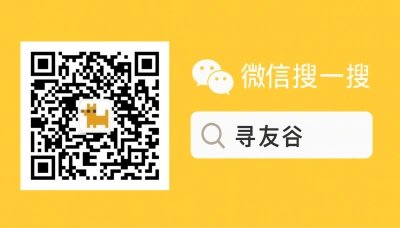
If you want a smoother time in China — whether you’re studying, working, or just trying not to get lost in the group-chat maze — XunYouGu is built for that exact kind of everyday help. The community is there to make WeChat less confusing and life in China a bit more human.
To join:
- Search “xunyougu” on WeChat
- Follow the official account
- Add the assistant’s WeChat
- Ask to be invited into the group
Simple as that. No drama, no hard sell — just a practical way to connect with people who’ve already walked the same road.
📚 Further Reading
No recent news items were provided in the reference materials or news pool, so this section has been omitted.
📌 Disclaimer
This article is based on public information, compiled and refined with the help of an AI assistant. It does not constitute legal, investment, immigration, or study-abroad advice. Please refer to official channels for final confirmation. If any inappropriate content was generated, it’s entirely the AI’s fault 😅 — please contact me for corrections.